
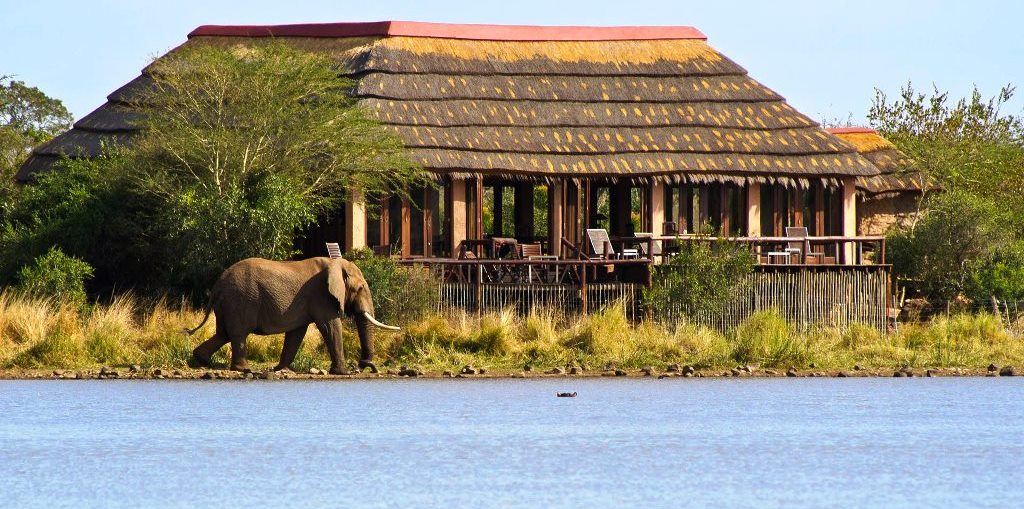
Apart from the many Bushman rock paintings scattered throughout the Kruger National Park, there are many archaeological sites to attract the interest of students and lovers of all things historic.
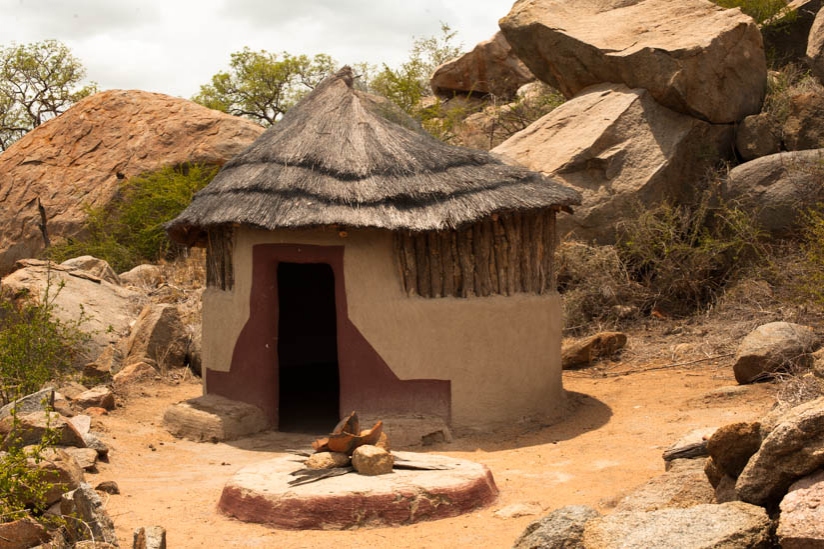
Masorini Ruins
The Masorini Ruins is an Iron Age site situated on a hill 12 km from the Phalaborwa Gate. Access is via the Phalaborwa tar road, 39km from Letaba. Masorini was home in the 1800s to the Sotho-speaking Ba Phalaborwa. They developed a remarkably iron ore industry. Here, visitors will find the dome-shaped clay furnaces in which the inhabitants smelted iron ore.
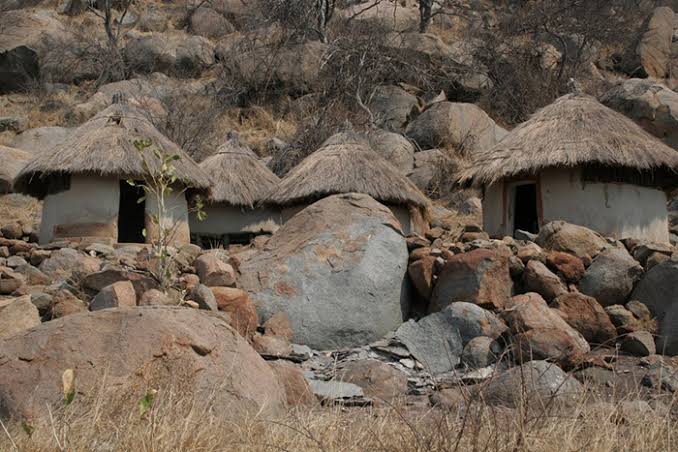
Albasini Ruins
The Albasini Ruins date back to the 19th century. It was the trading post of Joao Albasini, who travelled from Portugal to Mozambique in 1831. He established himself as an elephant hunter and slave trader. The ruins of the old trading post are situated at the Phabeni entrance gate into KNP, 10km from Hazyview.
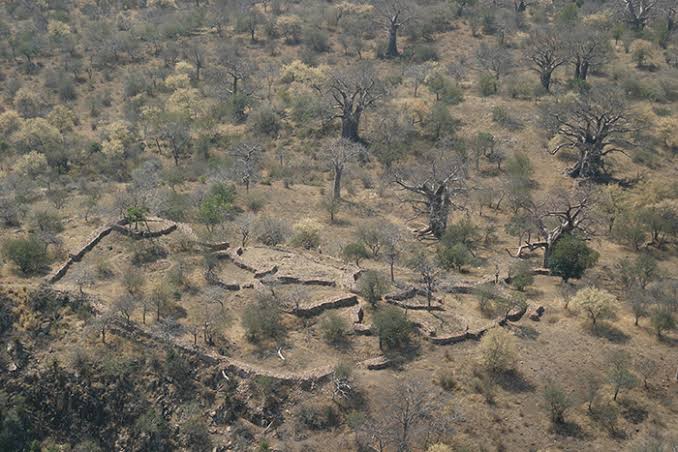
Thulamela Ruins
Dating back about 500 years is the stone-walled Iron Age site of the Thulamela Ruins. It gives visitors a glimpse into the lives of Zimbabweans who fled their country during times of political unrest. Many travelled south, crossing the Limpopo River and establishing chiefdoms like Thulamela inside the Kruger National Park. At the ruins, archaeologists uncovered evidence of glass beads, porcelain, gold, ivory bracelets and other jewellery. These were probably traded.
The diverse topography of the KNP
The Kruger National Park is the area where humans evolved nearly two million years ago. For this reason, scientists believe that the soils of the region hold the fingerprints of mankind’s ancestors.Apart from its fame as the home of the Big Five (lion, leopard, rhino, elephant and buffalo), The Kruger National Park has employed sustainable management practices. These practices have ensured the sustainability of not only the Big Five but also of the untold variety of animal life that survives within its vast boundaries.
In fact, the KNP is regarded as a laboratory of international standards where the topography of its valleys and ridges come under the microscope. Scientists have identified three notable gradients and changes caused by rock-type, rainfall and hilliness. The impact on the terrain of these gradients can be seen with the naked eye. Of particular interest are the many and rather splendid river cuts.
Other factors that influence the topography of the area are plant-life, animals and time, itself. Their measurements indicate that the KNP is eroding at a very slow rate, only about three centimeters every 10,000 years. This slow erosion rate means that the soils of the KNP have remained stable for about one million years.
Read Also: A True Kruger National Park Bush Camp Experience for the Ultimate African Safari
Conclusion
From game-spotting on open safari vehicles or guided walking trips, there is much more to attract visitors to this magnificent game reserve. It is one of the few safari destinations that can offer tourists such a diversity of interests. From sleeping under the stars to luxurious pampering in five-star lodges, the Kruger National Park is a destination for people from all walks of life. It caters to the rich, the not-so-rich and to day-trippers. For more information, there are few better-established safari tour operators than Kruger Park Travel.
 Kruger National Park - South Africa Safari Holiday